
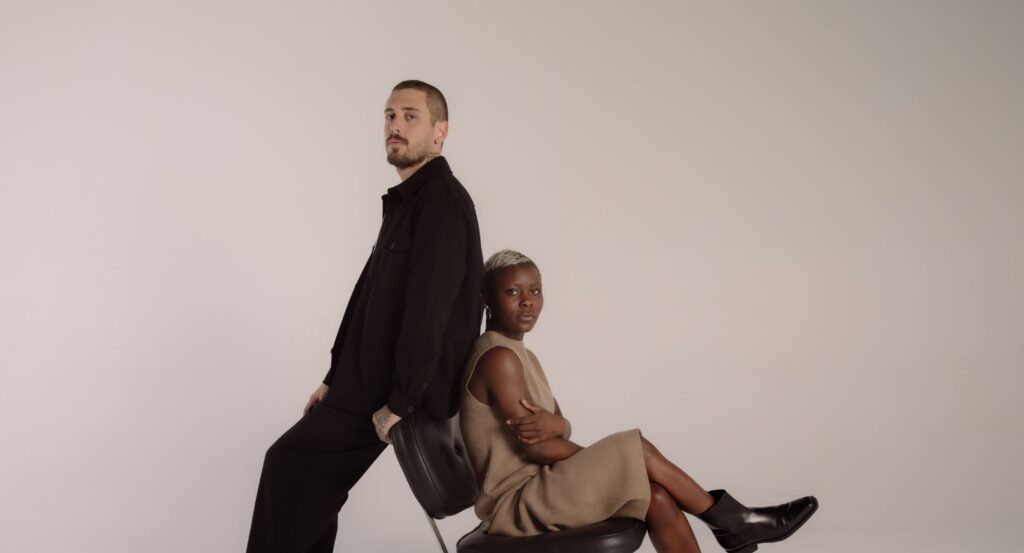
Kirsty Fenella Smith on innovation, leadership and the capabilities beauty brands need to scale
The beauty industry has never moved faster. New brands emerge overnight, consumer preferences evolve constantly, and digital channels continue to reshape how products are discovered and purchased. Yet according to Kirsty, the most important conversations happening within beauty businesses today are not necessarily about products or trends, but about people.
Having spent years partnering with founders and leadership teams across the sector, Kirsty believes that while innovation remains essential, sustainable growth is increasingly dependent on building the right organisational capabilities.
“The best innovation starts with a genuine understanding of the consumer,” she explains. “That might lead to a new formulation, but it could equally result in a better way to discover a product, learn how to use it, or shop for it. The brands that consistently stand out are curious enough to identify what consumers need before it becomes an obvious trend.”
At the same time, the industry is operating in a more competitive environment than ever before.
“A brand can gain attention very quickly, but sustaining that attention is much harder,” says Kirsty. “Consumers have more choice, they ask tougher questions about value, and they’re increasingly able to recognise when a product proposition or brand story feels too similar to something already available in the market.”
For many beauty businesses, growth itself has become one of the greatest leadership challenges. Whether expanding into new markets, securing new retail partnerships or entering additional categories, every opportunity creates new demands on the organisation.
“One of the biggest challenges businesses face is determining where to grow and ensuring they have the infrastructure and expertise to support that growth,” Kirsty explains. “A new market, retailer or category can be incredibly attractive, but each requires investment, specialist knowledge and strong execution.”
This reality is reflected in the conversations she has with founders on a daily basis.
“Two questions come up repeatedly,” she says. “‘What capabilities do we need for the next stage of growth?’ and ‘Do we have the right structure around the founder?’ As businesses mature, founders need leaders who can take genuine ownership while preserving the qualities that made the brand distinctive in the first place.”
Leadership expectations have evolved significantly as a result. According to Kirsty, organisations are increasingly seeking executives who can bridge the gap between strategy and execution, while demonstrating strong commercial judgement and adaptability.
“It’s no longer enough to have a strong vision alone,” she says. “Businesses need leaders who can make informed decisions, bring teams with them and understand the commercial implications of those decisions.”
Looking ahead, Kirsty expects demand for talent in areas such as commercial leadership, international expansion, digital capability and product innovation to remain strong. However, she believes the defining characteristic of successful businesses will be their ability to build high performing teams around those capabilities.
“The brands that will thrive over the next few years are the ones that combine a distinctive point of view with genuine commercial discipline,” she says. “They’ll understand their customer deeply, innovate with purpose and know when to focus rather than chasing every opportunity. Above all, they’ll build leadership teams capable of turning exciting brands into enduring businesses.”
In an industry often defined by products, launches and consumer trends, Kirsty’s perspective serves as a valuable reminder: long term success is ultimately built by people. As beauty continues to evolve, talent may prove to be the industry’s most important competitive advantage.
insights
View all insights More articles for you